Showing posts with label English. Show all posts

Sunday, 30 November 2025

Exciting times in WA’s world of Literacy!

By Shafia Matin


Introductions:

I’d like to take a moment to introduce myself, colleagues involved in literacy education at WA and the work we do. I’m Shafia Matin, the new Literacy Coordinator, and I work across the school to develop, embed and support the literacy curriculum. Our colleague, Nsia Sealey-Griffiths, from the Inclusion team, has been meeting with Year 8 and Year 9 students to continue building on their progress with their reading and comprehension. She will be using an award winning phonics and reading programme from ‘That Reading Thing’ to devise and deliver sessions for identified students, across year groups. I look forward to updating you on how these interventions develop and, importantly, how quickly our students are developing into confident/more independent readers. Our librarian, Michael Bello, is rejuvenating the library with new stock - including recommendations from staff and students - and is actively working to organise the library as an effective and multi-functional learning hub that is inviting for all members of our school community.


What Literacy looks like at WA:

All KS3 students have a library lesson per fortnight. In this lesson, they read for pleasure; some read guided, with the teacher and/or LSA, whilst others continue to read independently - benefitting from Michael Bello’s excellent recommendations as librarian. I am very pleased to share that requests in the library have gone up! We are due to receive lots of new books in the library this term and next… It’s brilliant that students are widening their reading and actively engaging in their own progress by asking for novels, graphic novels and non fiction. Furthermore, I am delighted to share with you that term 2 has seen the launch of guided reading with form tutors in KS3 and literacy support - writing CV’s and applications - in KS4. Our Sixth Formers are being thought of, too! Academic Literacy, to polish essay writing and evaluation, is now on offer as an enrichment on Tuesdays. 


Embedding into the curriculum - the role of the Literacy Coordinator:

As coordinator, it’s my job to inspire and encourage within the curriculum - developing library lessons that adapt to support and stretch students and, ultimately, contribute to students becoming readers for life! I will continue to work with departments and the Inclusion team to develop strands that come together for overall success. One to one reading and phonics will begin to address needs and even close gaps; we will be adapting term on term - evaluating and developing pedagogy - to build a curriculum that, over time, will allow progress for all.  


What the future holds:

Whilst there is a challenging path to navigate, we are excited about what we have started and will go on to build. At WA, we have vision and energy; it is truly wonderful to already hear about “purposeful library lessons” (English reviewer, November 2025), to have so many students recommending books and to recognise the work in individual departments - everything from subject specific vocab and spelling, oracy tasks and live marking codes. We are building appreciation and skills for life! All our efforts, as a team and community, are empowering; we recognise the value of a whole school literacy curriculum and can’t wait to hold future events to celebrate our progress and success. Watch this space! 

Monday, 16 June 2025

The joy of making curriculum choices in English

By Seb Collett

Being the Director of Learning for English, I firmly believe I have the most interesting job in the school, and part of that is due to the selection of texts. While for some subjects the National Curriculum makes all the decisions for you, for English the texts we hone our students’ skills on is a topic of constant discussion, so I thought it might be interesting to show you my thinking on some examples.


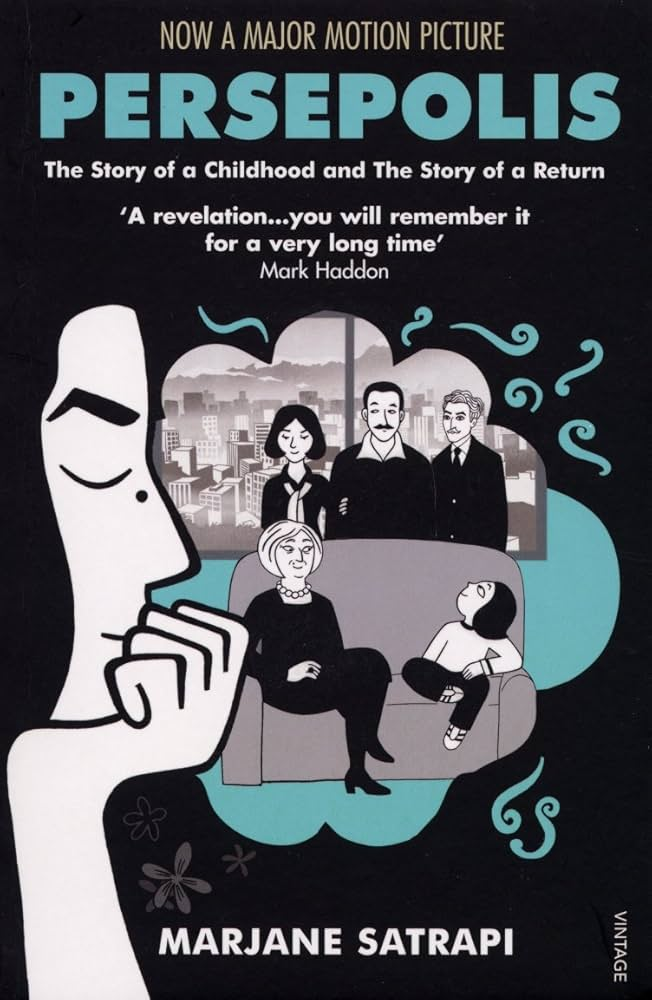
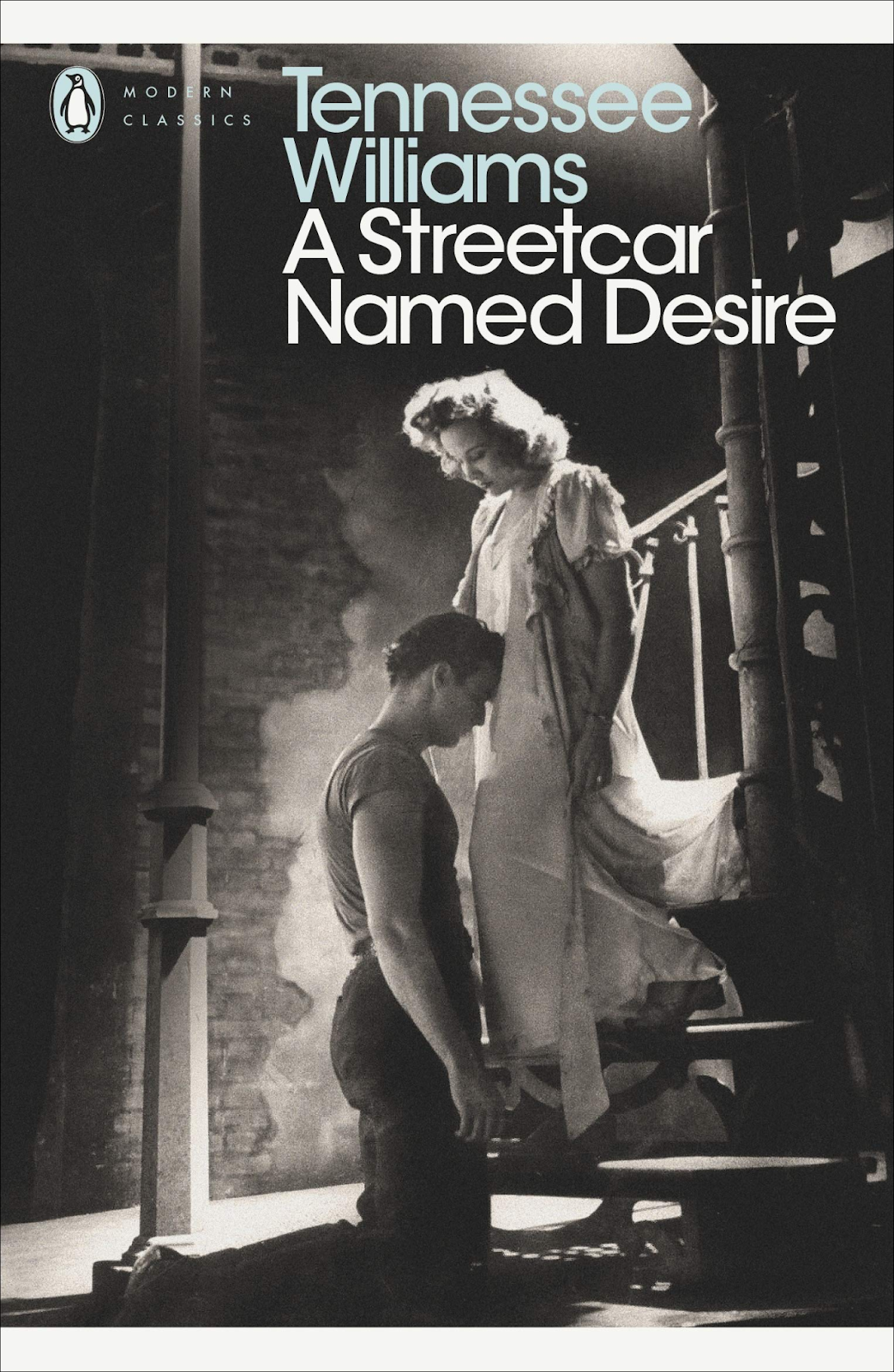
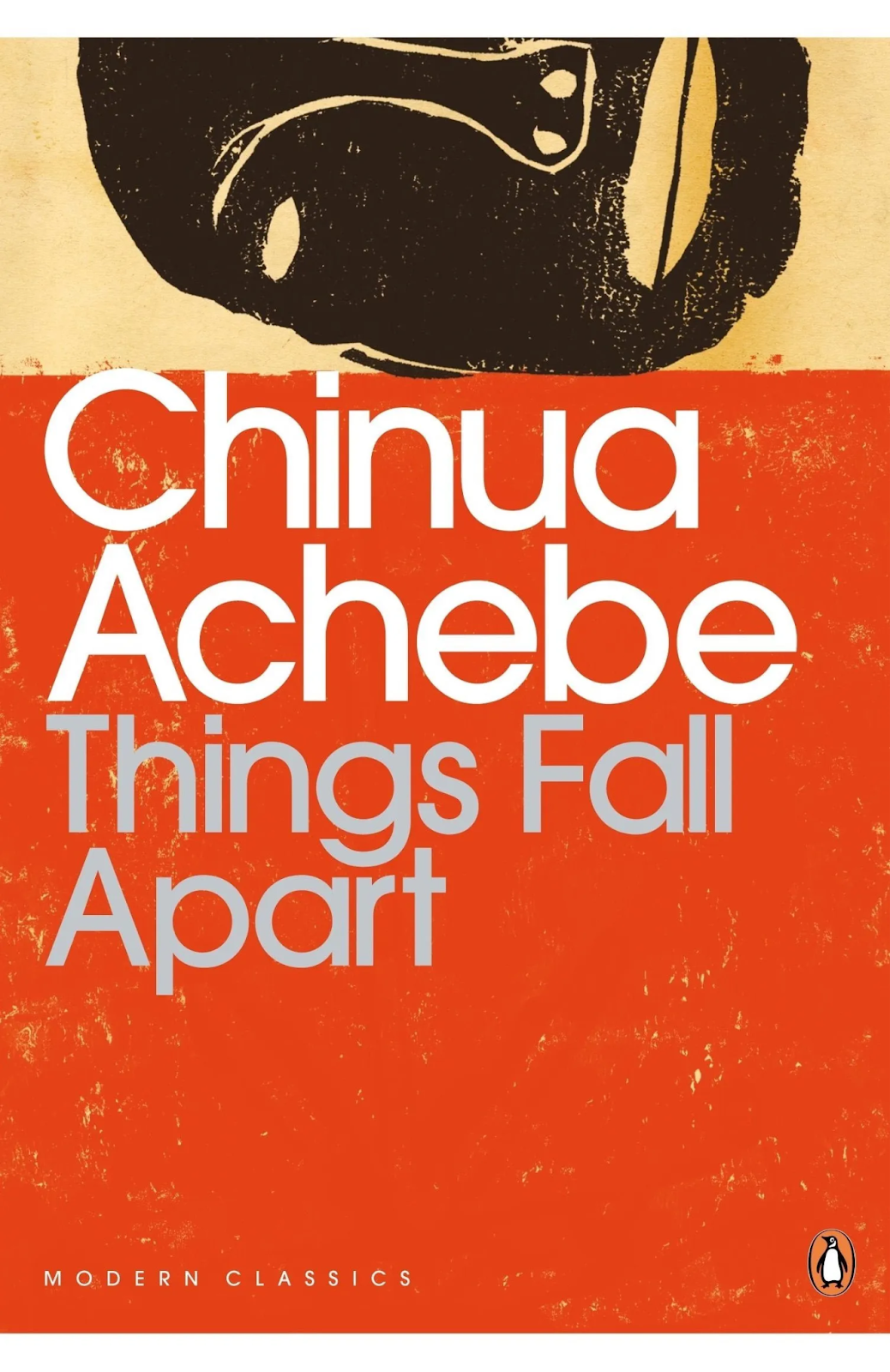
For KS5 the key word is breadth; there is a huge range of text we can choose, and all the middle leaders in English before me have come up with a fantastic curriculum, including the troubling novel The Sailor Who Fell From Grace With The Sea, the horror movie Get Out, and the graphic memoir Persepolis. Ultimately we have to think about what will bring a new vantage to our students. Due to the IB often being comparative, it is interesting to match up texts. I particularly love comparing Tennessee Williams's A Streetcar Named Desire and Things Fall Apart by Chinua Achebe. They are so thematically similar, while being created in such different epochs with radically different purposes.


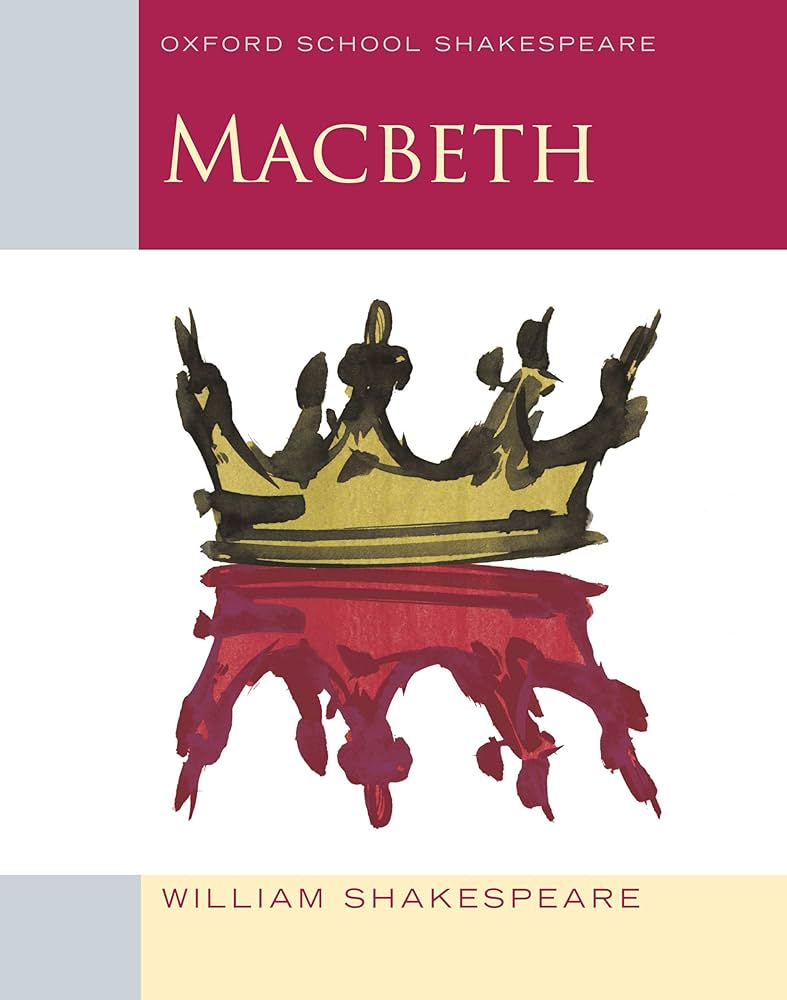
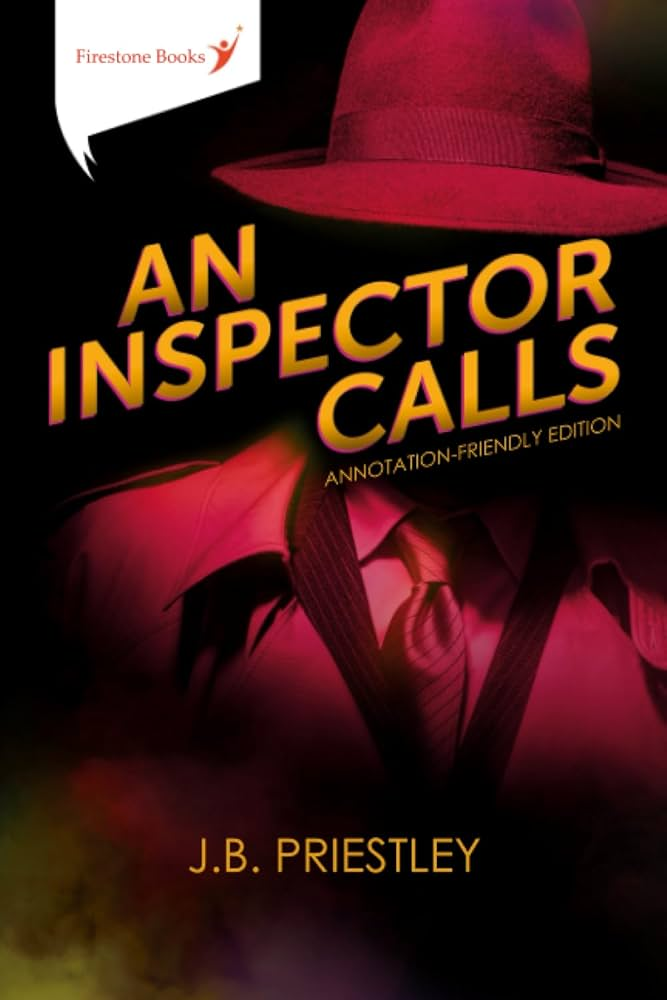
KS4 is more focused on the GCSEs, and so we have a small range of texts to choose from. And with that exam focus, we chose Macbeth over Romeo and Juliet: both are brilliant plays, but Macbeth has much stronger context to write about. An Inspector Calls also has good context, but the reason it is taught year after year is its popularity with the students. They love to argue who is most to blame for Eva’s death, and with increasing inequality in the UK, it is a text that becomes more and more relevant as time goes on.


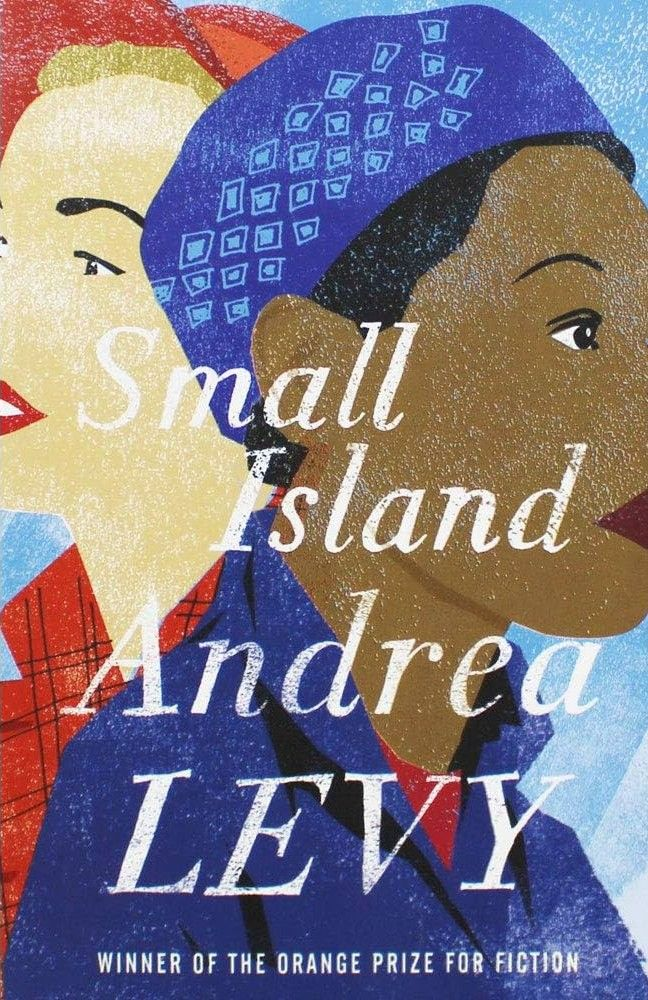
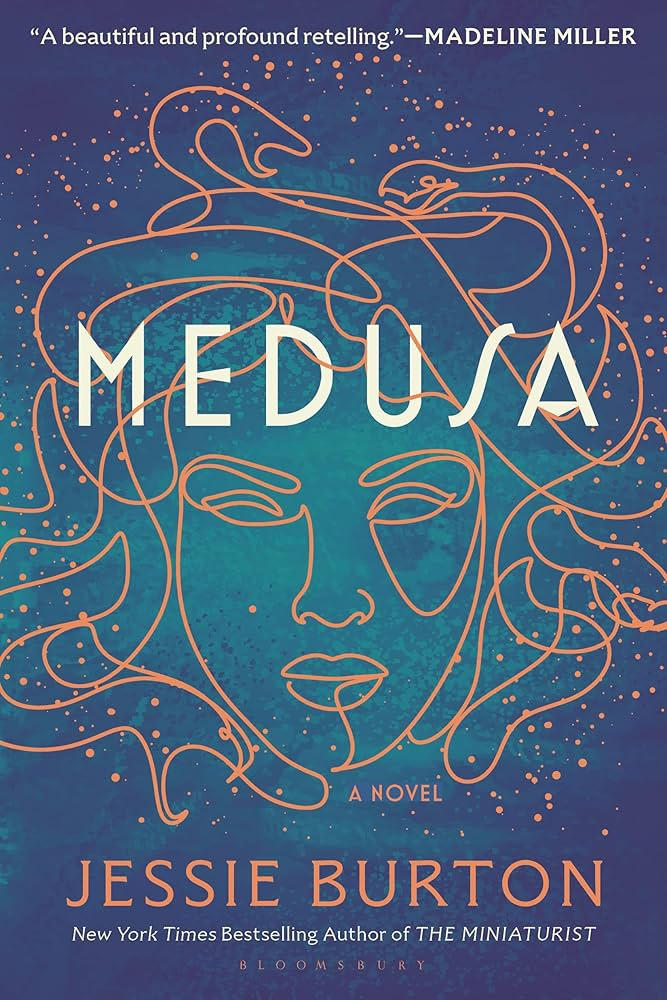
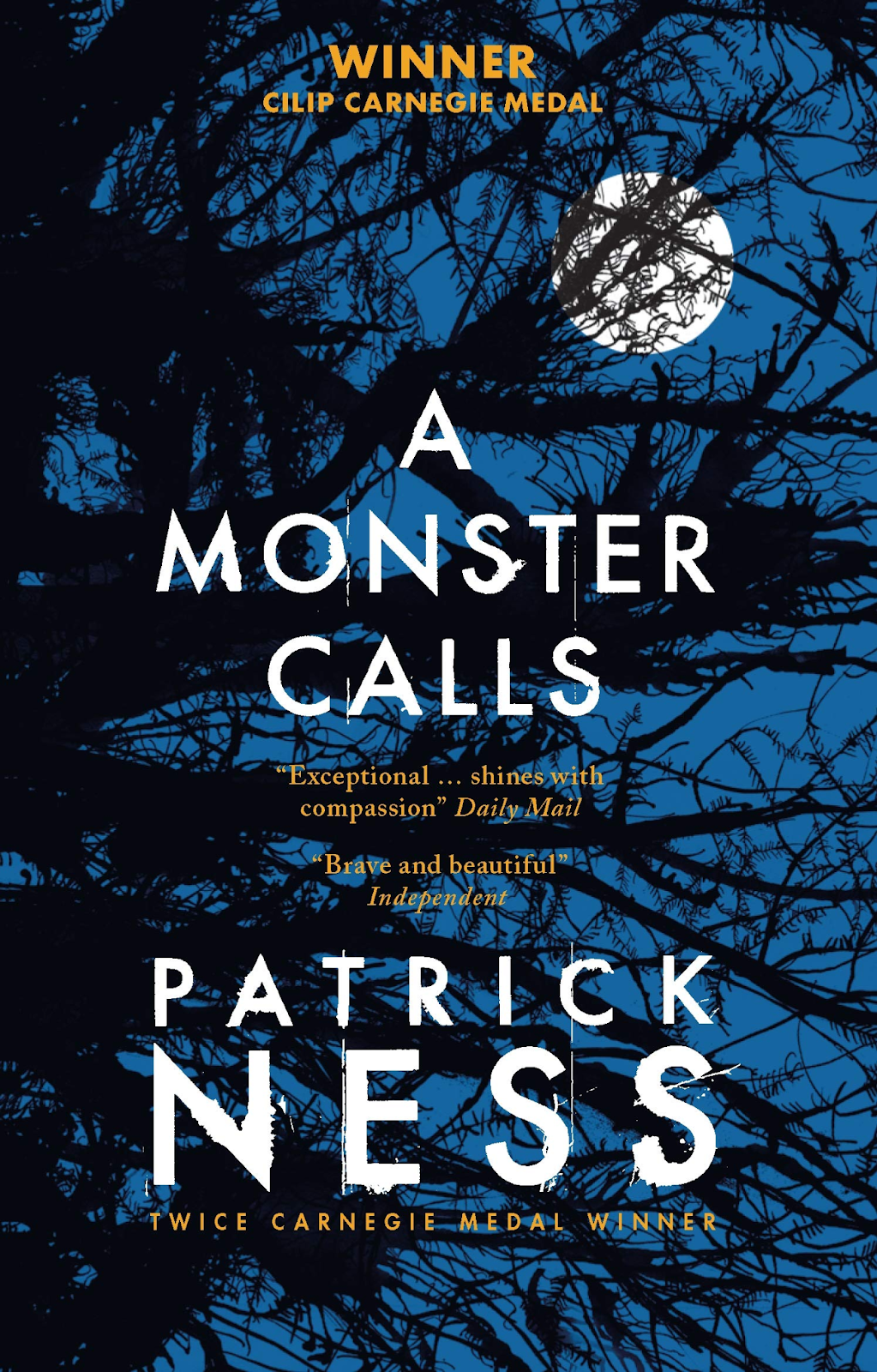
KS3 - this is where it gets fun. We have so much freedom to mix and match. For instance, we study the classic myths in a pacey, feminist retelling with Burton’s Medusa. We use A Monster Calls to explore the very challenging issues of grief. Of Mice and Men was a regular text, once a staple of the GCSEs, then when that was scrapped moved to KS3 in pretty much every school in the country. But students and teachers over the last 5 years have become more and more vocal about the unacceptability of the language. And so we replaced it with Ugly Dogs Don’t Cry, an adaptation set around Westbourne Grove, and we can invite the writer to talk to our Year 9s every year. And while A View from a Bridge has some of the best dialogue written in the English language, we replaced it with the play of Small Island, so making the same themes of immigration and forbidden love more relevant to the experiences of Londoners.

And it is not over. We are always thinking about how we will use the terribly precious resource of time to select a new text and ready it for our students. What will we choose next year? Will the unpopular A Christmas Carol get cut? What new texts will be introduced to IB Literature?

What do you feel students should be reading in school?


Tuesday, 11 February 2025

Classroom Oracy: The Key to Unlocking Potential

By Najiyah Rahman

Analytical questions plague all aspects of the English Curriculum and students are required from time to time to show this skill, but are they engaged in doing so? This last term I set out to change my practice as I had identified a key concern in my Year 11 class, which is a lack of fluency in analytical writing. My students know the basics of writing and have knowledge of the text but are not incorporating this knowledge in their writing consistently. My results from Inquiry 1 show that students prefer classroom oracy as a method of engagement.  It was also identified that they find structuring their answers difficult. 


In this inquiry, I will discuss how removing PEEL/PEE writing frameworks for paragraph writing in exchange for thinking frameworks like WHAT HOW WHY allowed my students to better structure their work and discussions. I aim to understand the correlation between using an optimal engagement tool (as identified via student voice) and improved performance in analytical writing tasks.


What did I do?
I had introduced debate and discussion lessons based on an exam question. We followed this format for other lessons leading up to the exam however below is an example: I wanted to hone in on Shakespeare’s purpose as a lot of their analytical paragraphs lacked in this area. They were able to make points and provide evidence but not explain why these choices were made. The aim of this task was to equip them with several different reasons as to why Shakespeare made particular choices. 
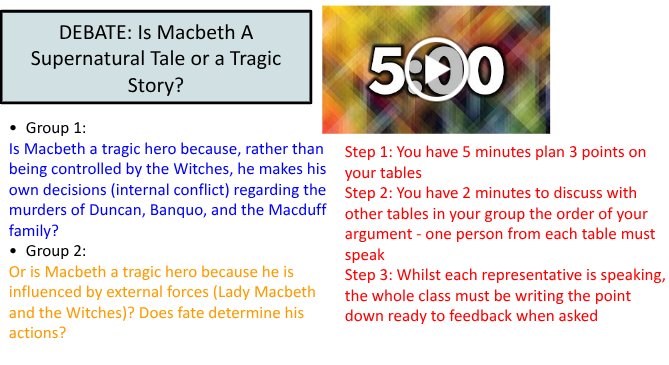
Students had 5 minutes to plan in groups on their tables. They needed to make three points. The way I had guided their discussions was through the WHAT HOW WHY thinking frameworks which I made explicit on the slide below. I made it clear that the screen was there for support but they could use the framework to shape their thoughts individually. 
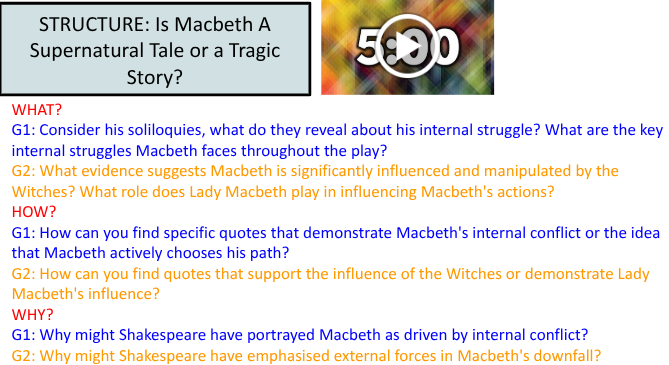


Group 1 and Group 2 had three tables each. After the 5 minutes were up, they had 2 minutes to discuss their answers with the other two other tables and find the strongest point that each of them would argue. 


When the debate started, all students had to write notes from each point each table discussed. At the end of the discussion, students were given 3 minutes to order their 6 points and answer the debate questions. 
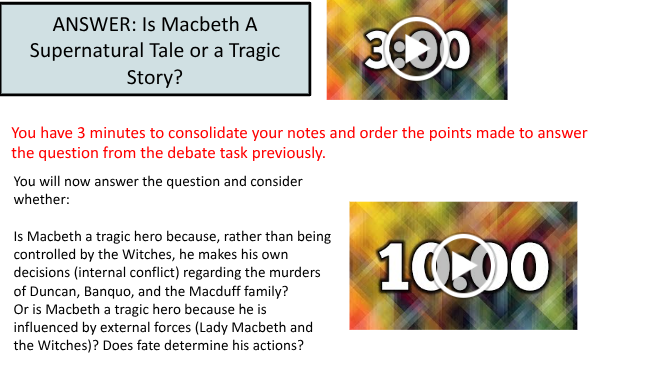

After they had written their responses, a student asked “This isn’t an exam question, how do we apply this to the exam?” to which I had responded, “You all identified that debates and discussion engages you the most, all of you identified you found structure difficult and all of you were unable to explain your points in detail. This task has allowed you to use a new thinking framework to answer any question, it has also provided you with 6 different points about Shakespeare’s purpose which you can apply to EVERY question!


How did I measure it?

I measured feedback via student voice, pre-existing and new mock data and observations to triangulate my data.


  1. My primary source of data came from the mocks comparing what they achieved in the autumn pre-mocks and the winter mocks. Here is the table below:

Grades

Autumn Mocks

Winter Mocks

Below 4

52% 

43%

9-4

48% 

57%

9-5

39% 

39%

9-7

26% 

22%

The table shows the distribution of grades in Autumn and Winter Mocks. Here's a comparison:


  • Below 4: The percentage of students scoring below 4 decreased from 52% in Autumn Mocks to 43% in Winter Mocks. This indicates an improvement in overall performance.

  • 9-4: The percentage of students achieving grades 9-4 increased from 48% in Autumn Mocks to 57% in Winter Mocks. This suggests a significant improvement in the higher-achieving band.
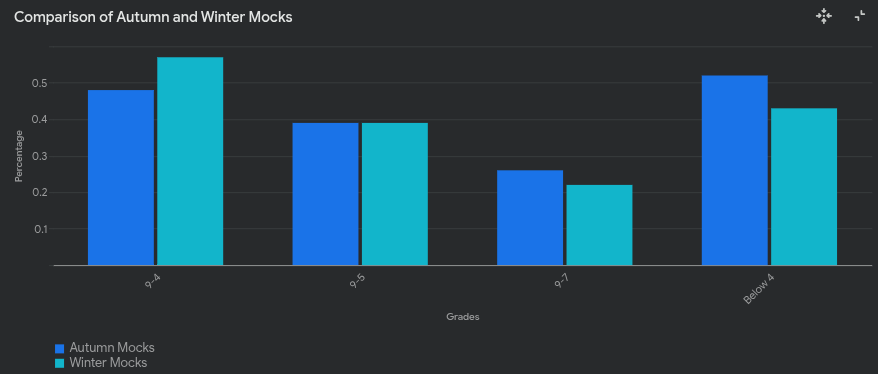
  • 9-5: The percentage of students scoring 9-5 remained consistent at 39% in both Autumn and Winter Mocks. This suggests that the proportion of students in this range remained relatively stable.

  • 9-7: The percentage of students achieving grades 9-7 decreased from 26% in Autumn Mocks to 22% in Winter Mocks. This might indicate a slight decline in the top-performing group.


Overall, the data suggests a positive trend with a decrease in the percentage of students scoring below 4 and an increase in the percentage of students achieving grades 9-4. 


However, a slight decline is observed in the top-performing group (9-7). This may have been due to external factors such as revision and time-management (which a lot of them had informed me of after their exams). 


  1. My second piece of data collection was through observations. I had seen a significant improvement in engagement, comments like “Miss, that was a fun lesson!” and “I’ve learnt a lot today!” and all students were able to write significantly more than what they previously were able to do. 


I am awaiting books to photograph evidence of this*


  1. And my third piece of data, I am still awaiting student feedback via survey. 


Below are the questions from the survey:
Student Survey: Impact of Debates/Discussion on Analytical Writing


How engaged did you find yourself during these discussions/debates?

a) Not at all engaged

b) Slightly engaged

c) Moderately engaged

d) Very engaged


To what extent do you believe participating in discussions/debates helped you to: Understand the different perspectives on the topic?

1 (Strongly Disagree) - 2 - 3 - 4 - 5 (Strongly Agree)


To what extent do you believe participating in discussions/debates helped you to:
Develop your own arguments?

1 (Strongly Disagree) - 2 - 3 - 4 - 5 (Strongly Agree)


To what extent do you believe participating in discussions/debates helped you to:
Identify and analyse evidence to support your arguments?

1 (Strongly Disagree) - 2 - 3 - 4 - 5 (Strongly Agree)


To what extent do you believe using the WHAT HOW WHY thinking framework helped you to: Structure your written responses to analytical questions?

1 (Strongly Disagree) - 2 - 3 - 4 - 5 (Strongly Agree)


To what extent do you believe participating in discussions/debates helped you to:
Improve your use of language and vocabulary in your writing?

1 (Strongly Disagree) - 2 - 3 - 4 - 5 (Strongly Agree)


Overall, how helpful do you think class discussions/debates and thinking frameworks were in preparing you for writing analytical essays?

a) Not helpful at all

b) Slightly helpful

c) Moderately helpful

d) Very helpful


Do you have any other comments or suggestions regarding the use of debates in class?

(Provide space for open-ended written responses)


So what were the challenges?  

There were many challenges I had encountered: 


  1. Maintaining Focus: While the initial enthusiasm for debates was high, sustaining student engagement proved to be a challenge after a while. Some students, particularly those less confident in their speaking abilities, tended to disengage or become passive listeners.

  2. Differentiation: Ensuring all students, regardless of their confidence levels, had an equal opportunity to participate and contribute to the debates was challenging. Some students dominated the discussions, while others remained silent and it was hard to force them to talk.

  3. Activity Time Management: Incorporating frequent discussion into the lesson required careful planning and time management as often I had found we ran out of time to get to writing.

  4. Assessing Participation: Accurately assessing individual student contributions within the dynamic context of a debate presented a challenge.

  5. Revision:  While the debates improved student understanding of the text and helped them generate ideas, some students still struggled with effectively revising the scheme of work/what they had learnt about the text prior/forgot key moments of the text etc.

  6. Individual Time Management: Students still had difficulties with time management during the writing process and being able to finish an answer within the allotted time. 


What are my key takeaways?

My 5 key takeaways from this inquiry were: 


  1. The positive impact of classroom oracy: The initial data analysis suggests that classroom debates, when effectively implemented, can significantly enhance student engagement and improve performance in analytical writing tasks.


  1. The importance of scaffolding and support: Providing clear structures, such as thinking frameworks (WHAT? HOW? WHY?), and explicit guidance can help students navigate the debate process and maximise their learning.


  1. The need for ongoing evaluation and adjustment: I need to continue to refine my approach to classroom debates, addressing the challenges identified and exploring new strategies to enhance student participation and learning.


  1. The importance of addressing individual needs: I need to implement strategies to ensure all students have an equal opportunity to participate and contribute to the debates, such as peer-to-peer support and differentiated questioning techniques.


  1. The need for continued focus on revision strategies: I will need to provide more explicit instruction and support for students in the revision process, including strategies for time management and effective use of feedback.


Thank you for taking the time to read my blogpost! Feel free to share your comments and thoughts at n.rahman@westminsteracademy.org.uk

Wednesday, 8 July 2020

IB Hub Day T&L Reflections 2020

WA has successfully held 4 inaugural subject specialist IB Hub Days this year. This has been a fantastic opportunity for our staff body to showcase their IB Approaches to Teaching and Learning, and also to create links with other IB schools and educational consultants and guru's in their subject areas. The agenda for the days have been of high quality, thought provoking and inspiring for those involved. A big thank you to all those who have been involved in organising the days - you are stars!

Below are the reflections from the English, Geography, History and Maths Hub Days and how the CPD from them have influenced these teachers' teaching and learning going forward.

English by Julian Gyll-Murray

T&L strategies learnt on the hub day: 

The most fascinating part of the day was the sessions delivered by two guest speakers- Susan Neilson and Gary Snapper. 


Susan spoke about how to develop student autonomy, and how crucial it is to guide students to approach texts in a self-sufficient manner. She emphasised the role of discussion and creative writing, the impact of modelling reading together as a class community, and the use of using student-led agendas in order to cover the themes of a text.


Gary delivered an inspiring session on approaches to teaching poetry in the IB. He recommended starting discussions on poems about the entire text before breaking them down, in order to develop a practice of forming a holistic understanding of the poem. He also showed creative ways of analysing the structure of poetry through exercises such as altering the order of stanzas, which gives the students a new perspective on the poet’s authorial choices.


How these strategies have been implemented in my/our practice:

As IB teachers, we adopted a number of Neilson’s strategies, such as letting students create an ‘agenda’ of what they would like to focus on in particular texts. Some of us have used the likes of Padlet to do this in lockdown to good effect. In the literature course, we have adopted much of Gary’s advice in order to approach the Unseen Poetry component of their Paper 1 exam. Here, good questioning was key, ensuring that students communicated their reaction to the text as a whole before thinking how the author elicited that reaction.


The impact so far:

Unfortunately, due to the lack of exams this year it has been difficult to measure the impact of these practices in concrete terms. However, it has definitely made IB English a more engaged and student-led experience for our cohorts, and has garnered a more enthusiastic and self-sufficient approach for many in the DP student community.


Geography by Grey Day

T&L strategies learnt on the hub day: 

I found the talk on ‘Thinking like a Geographer’ particularly interesting. As with most subject curriculars, the tendency is to stick with the required content and teach what is needed for the exams, however Karen Corfield introduced us to a number of resources that may not have been necessary for the IB curriculum, but would further broaden and strengthen our students’ knowledge of the wider world, allowing them to think more critically which would have a positive impact on their IB learning.


How these strategies have been implemented in my/our practice:

This could be implemented by creating reading/documentary lists for students to follow. Students could then complete reflections on what they had read/watched and link it with what they are currently learning at the time. Students could also complete mini research topics on current geographical events and affairs which may not necessarily be within the IB curriculum but would broaden their knowledge of the wider world and allow them to make links to what they are currently learning while also improving their critical thinking and research skills. 


History by Jodie Coller, Corinna Matlis & Charlotte Nicholas

T&L strategies learnt on the hub day: 

Our goal is to give students the kind of complex knowledge and arguments they need to succeed in IB history, and, following the IB Hub Day, it was clear to us that incorporating more historiography and more depth studies into our schemes of work will help us achieve this goal.  


How these strategies have been implemented in my/our practice:

Historiography: We incorporated historiography largely through two mechanisms. The first came back to IA technique. Through our discussions with other schools, it became clear that many history departments focus their students on a historiographical debate for their IAs. This is an excellent technique because it allows students to frame their own arguments through a comparison of historians’ arguments, and it forces students to evaluate carefully two different perspectives on an issue.  


We have also embraced historiography in our teaching of IB both through incorporating short snippets of historians’ work into most lessons, thereby showing our students that the topics we are studying are also debated by historians and that we want our students to join in the debate. 


Furthermore, we’ve begun to incorporate longer pieces of historiography into lessons by assigning academic articles as part of the required reading for students. We feel this is important as these articles not only introduce students to different perspectives on our topics but also act as models for students in how historians write and build arguments.  We have even started working this kind of task into activities for younger students from KS3 through activities like guided reading and using scholarship to answer enquiry questions.


Maths by Maria Prodromou

T&L strategies learnt on the hub day: 

On the agenda was a talk from Professor Karen Page on Voronoi Diagrams, a geometric construction new to the specification change this year. We saw a plethora of applications of a mathematical tool/construction to other subjects such as Biology (in nature and disease) and Geography (toxic waste dump problem). This gave us an opportunity to learn more about a piece of maths knowledge we have never taught nor ever applied! 


The problem solving session provided strategies to develop students’ inquiry skills. The wording of the questions were “unusual” in terms of standard Mathematics questioning - showing us how to create problems by purposely missing information that the students would need - can they realise what information is important to answering a problem? Some questions didn’t have a question and teachers were encouraged to write the hardest question they could think of, given the information - a task harder than it sounds!


The session on implementing the Toolkit gave an insight into how to use technology to enhance learning and create depth of understanding as the new syllabus has a strong focus on use of technology. Tom Holmes gave a phenomenal presentation on how to use geogebra to model real life contexts - a powerful tool to show the dynamism of maths, and limitations of a model.


How these strategies have been implemented in my/our practice:

It’s been great to take some of the examples Prof Karen Page spoke of and plan them into lessons on the Voronoi diagram and show students the cross-subject use of them - they love seeing maths in different contexts! It’ll be interesting to see if any student has been inspired by these wonderful constructions to ask a question to explore using them in their IAs. 


As Key Stage 5 Coordinator for maths the inquiry based questioning is something that we have been working on implementing in our new lesson planning for the new specification to create curious, problem solvers! It has also been great to plan lessons entirely dedicated to the toolkit with Geogebra, which the students have responded really well to as it’s something different to doing maths on paper.